



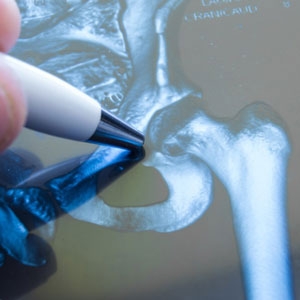

Living with chronic hip pain can make walking, exercising, working, traveling, and enjoying everyday activities increasingly difficult. For patients with advanced hip arthritis or other conditions that have significantly damaged the joint, total hip replacement may provide an opportunity to reduce pain and restore mobility.
Today, patients researching hip replacement in New York may encounter newer treatment options that combine the Direct Anterior Approach with robotic-assisted technology. This approach brings together a muscle-sparing surgical technique with advanced 3D planning and robotic assistance designed to help the surgeon plan and perform the procedure with precision.
But is robotic direct anterior hip replacement appropriate for everyone? The answer depends on your diagnosis, symptoms, imaging, overall health, anatomy, and treatment goals. We in New York specialize in hip reconstruction and preservation, evaluate each patient individually to determine whether this approach is appropriate. Our practice reports more than 10,000 hip procedures and more than 6,000 Direct Anterior Total Hip Replacements.
What Is Robotic Direct Anterior Hip Replacement?
Robotic Direct Anterior Hip Replacement combines two different technologies and surgical concepts: the Direct Anterior Approach and robotic-assisted joint replacement.
The Direct Anterior Approach accesses the hip from the front of the body and works through natural tissue planes. The goal is to minimize disruption to important muscles and surrounding soft tissues. Robotic-assisted technology adds detailed preoperative planning and computer-guided assistance to help the surgeon plan implant positioning based on the patient's individual anatomy.
Our practice uses Mako SmartRobotics™, which uses 3D CT-based planning to create a personalized surgical plan for total hip replacement. The technology is intended to provide the surgeon with detailed information about the patient's anatomy before and during the procedure.
How Does Robotic Technology Work During Hip Replacement?
Before surgery, a CT scan can be used to create a three-dimensional model of the patient's hip anatomy. This information allows the surgeon to plan the procedure and determine the desired positioning of the hip implant.
During surgery, robotic assistance can help the surgeon follow the preoperative plan and maintain control within a defined range. The technology does not independently perform the operation. Instead, it functions as a tool that supports the surgeon's planning and execution.
According to Dr. Davidovitch's practice, robotic-assisted hip replacement may provide benefits such as:
- More precise implant positioning
- Increased accuracy of bone preparation
- Personalized surgical planning
- Assistance in maintaining the planned surgical boundaries
- Potentially improved joint stability and function
Who May Be a Candidate for Robotic Direct Anterior Hip Replacement?
The ideal candidate is not determined by age alone. Instead, the decision is based on the severity of hip disease, the effect of symptoms on daily life, overall health, imaging findings, and whether other treatments have provided adequate relief.
The practice's FAQ states that candidates for total hip replacement generally have evidence of hip arthritis on X-rays, decreased hip motion, and limitations in activities of daily living caused by the hip condition.
Patients who may be considered for robotic Direct Anterior Hip Replacement can include adults experiencing:
- Significant hip osteoarthritis
- Persistent hip pain affecting daily activities
- Reduced hip motion
- Difficulty walking or exercising
- Joint damage that has not improved with conservative treatment
- Hip conditions requiring total joint replacement
A consultation and appropriate imaging are necessary to determine whether the procedure is suitable for an individual patient.
Does Age Determine Whether You Are a Candidate?
Age alone does not necessarily determine whether someone can undergo hip replacement. Overall health, mobility, severity of joint damage, and quality of life are often more important considerations.
Age is not by itself a barrier to hip replacement and our practice has safely operated on patients in their 90s.
For older adults, the medical team will consider overall health and the ability to safely undergo surgery. For younger and highly active patients, the discussion may also include implant selection, activity goals, and long-term joint health.
Can Active Adults Be Candidates for Robotic Anterior Hip Replacement?
Active adults may be particularly interested in the Direct Anterior Approach because their goal is often to regain mobility and return to an active lifestyle. Hip arthritis can interfere with walking, running, golf, swimming, cycling, and other recreational activities.
The goal of hip replacement is to relieve pain and restore function, but recovery expectations should always be individualized. Patients should discuss their preferred activities with their surgeon before surgery so that realistic recovery goals can be established.
Our practice provides guidance on returning to activities after surgery. Its FAQ notes that swimming may generally resume within two to three weeks and golf around six weeks, while higher-impact activities such as tennis or aerobics are restricted for approximately three months. Individual recommendations can vary.
What Conditions Can Lead to Robotic Total Hip Replacement?
Hip replacement is generally considered when significant joint damage causes persistent symptoms and affects function. Osteoarthritis is one of the most common reasons patients undergo total hip replacement.
Other hip conditions may also contribute to joint degeneration or severe symptoms. These can include avascular necrosis, developmental or structural abnormalities, and other causes of advanced hip joint damage.
The decision to proceed with total hip replacement depends on the specific diagnosis and how significantly it affects the patient's quality of life. X-rays, physical examination, medical history, and discussion of symptoms all contribute to the treatment decision.
Why Choose the Direct Anterior Approach?
The Direct Anterior Approach has become an important option for patients seeking minimally invasive total hip replacement. The approach accesses the joint from the front and is designed to work between muscles rather than cutting through certain major muscles around the hip.
- Smaller surgical access
- Reduced disruption to surrounding muscles
- Earlier mobility after surgery
- Fewer restrictions associated with certain movements
- Potentially faster return to normal activities
Our practice reports that most patients are walking the same day and returning to normal activities faster than with traditional hip replacement.
However, recovery varies between patients, and the surgical approach should be selected based on the patient's individual anatomy and medical needs.
What Are the Potential Benefits of Robotic-Assisted Hip Replacement?
Robotic-assisted technology is designed to support the surgeon with detailed planning and precise execution. When combined with the Direct Anterior Approach, it may provide an additional level of planning and implant-positioning assistance.
The practice identifies several potential benefits of robotic-assisted hip replacement, including precise implant placement, accurate bone cuts, smaller surgical incisions, and reduced disruption to surrounding tissues.
It is important to understand that robotic assistance does not eliminate the risks associated with surgery. Hip replacement can involve complications such as infection, bleeding, blood clots, delayed healing, or other surgical risks. A surgeon should discuss these risks with each patient before treatment.
Could You Be a Candidate for Same-Day Hip Replacement?
Some patients who undergo Direct Anterior Hip Replacement may be candidates for outpatient or same-day discharge. However, not every patient is appropriate for this type of recovery pathway.
- Overall medical health
- Age and physical condition
- Home support after surgery
- Ability to safely walk after the procedure
- Pain control
- Surgical and anesthesia considerations
Our practice reports extensive experience with outpatient Direct Anterior Hip Replacement and provides both same-day and next-day discharge resources for appropriate patients.
When Should You See a Hip Surgeon in New York?
Persistent hip pain should not be ignored, particularly when it begins interfering with walking, exercise, sleep, work, or everyday activities. Conservative treatments may help some patients, but advanced joint damage may eventually require a surgical solution.
- Persistent or worsening hip pain
- Difficulty walking
- Reduced hip movement
- Pain that interferes with sleep
- Difficulty exercising or participating in sports
- Increasing dependence on pain medication
- Symptoms that have not improved with conservative treatment
An orthopedic evaluation can determine the cause of your symptoms and help identify whether non-surgical treatment or hip replacement is the appropriate next step.
Frequently Asked Questions
- Is robotic hip replacement better than traditional hip replacement?
Robotic-assisted hip replacement provides additional planning and surgical guidance, but it is not automatically better for every patient. The appropriate technology and surgical approach depend on the patient's anatomy, condition, and surgeon's assessment. - How do I know if I need a total hip replacement?
Patients with significant hip arthritis, reduced motion, and limitations in daily activities may be candidates for total hip replacement. X-rays, physical examination, symptoms, and treatment history are used to determine whether surgery is appropriate. - Does the anterior approach have fewer restrictions after surgery?
The practice's FAQ states that restrictions with the anterior approach are minimal and that the goal is to help patients move naturally without unnecessary limitations. However, individual restrictions depend on the patient's procedure and recovery. - How long does recovery take after anterior hip replacement?
Recovery varies from patient to patient. The practice states that most patients walk the same day and return to normal activities faster than with traditional hip replacement. Your surgeon will provide individualized instructions for walking, driving, work, exercise, and sports. - Can older adults have robotic direct anterior hip replacement?
Age alone does not necessarily prevent a patient from having hip replacement. Overall health and quality of life are important factors when determining whether surgery is appropriate.
About Dr. Roy I. Davidovitch, MD
Dr. Roy I. Davidovitch is a world-renowned orthopedic surgeon based in New York City, recognized as a leading authority in hip reconstruction and preservation. As the Director of the NYU Langone Hip Center and the Julia Koch Associate Professor of Orthopedic Surgery, he has dedicated his career to advancing the field of minimally invasive surgery. He holds the distinction of being the first surgeon in New York City to perform the Direct Anterior Approach total hip replacement, a milestone that has redefined the standard of care for patients seeking rapid recovery and muscle-sparing techniques.
With a clinical track record that ranks among the best in the nation, Dr. Davidovitch has performed over 10,000 hip procedures, including more than 6,000 Direct Anterior total hip replacements and over 2,000 outpatient procedures. His commitment to patient safety is evidenced by a remarkably low complication profile, maintaining less than a 0.1% risk for both infection and dislocation. By combining academic leadership with high-volume surgical expertise, Dr. Davidovitch provides patients in Manhattan and Princeton, NJ, with a path to long-term pain relief and a swift return to an active lifestyle.