



Hip replacement has evolved significantly, giving patients more options for surgical planning, implant positioning, and recovery. In 2026, patients researching a hip surgeon in New York are likely to encounter terms such as robotic-assisted surgery, direct anterior replacement, computer navigation, outpatient procedures, and personalized 3D planning. These developments can make treatment more individualized, but technology is only valuable when it serves the patient. Here are the key hip replacement trends worth understanding in 2026.
1. Robotic-Assisted Hip Replacement Is Becoming More Personalized
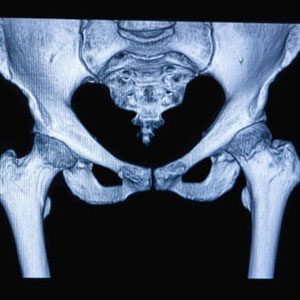
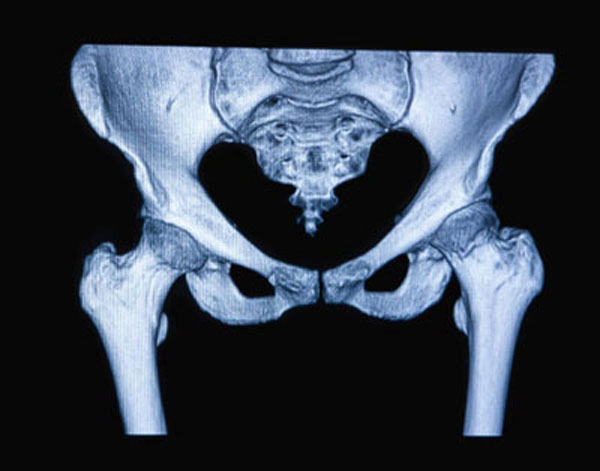
Robotic-assisted hip replacement is one of the most prominent developments in modern joint reconstruction. Systems such as Mako SmartRobotics™ use CT-based three-dimensional imaging to create a detailed model of the patient's hip before surgery.
This information can help the surgeon plan implant size and positioning according to individual anatomy. During surgery, the technology provides guidance that can help the surgeon execute the plan accurately.
For patients considering hip replacement in New York City, the important point is that robotic technology supports the surgeon rather than replacing surgical expertise. The surgeon remains responsible for clinical decisions and controls the procedure.
2. Direct Anterior Hip Replacement Continues to Gain Attention
The direct anterior approach has become an important option for appropriately selected hip replacement patients. Rather than accessing the joint from the side or back, the surgeon approaches the hip from the front through an interval between muscles.
Dr. Roy Davidovitch, a specialized hip surgeon in New York, focuses on direct anterior total hip replacement as part of his hip practice. He also treats complex conditions involving the adult hip, including hip arthritis, avascular necrosis, hip fractures, and problems requiring revision surgery.
The anterior approach may support early mobility for some patients, although the most appropriate surgical approach depends on individual anatomy and medical circumstances.
3. Navigation and 3D Planning Are Improving Surgical Precision
Another trend patients should watch is the growing use of computer navigation and three-dimensional planning. Detailed imaging can provide surgeons with a clearer understanding of bone anatomy before entering the operating room.
Navigation technology can then provide intraoperative information about implant positioning and alignment. These tools may be particularly useful when anatomical differences make standard planning more challenging.
However, greater technological sophistication does not necessarily mean every patient requires navigation or robotics. The technology should be selected based on the patient's needs and the surgeon's assessment.
4. Outpatient and Same-Day Hip Replacement Are Expanding
Hip replacement is no longer automatically associated with a lengthy hospital stay. Advances in surgical techniques, anesthesia, pain management, and postoperative protocols have allowed appropriately selected patients to undergo outpatient or same-day joint replacement.
Patients considering this option should understand that same-day surgery is not suitable for everyone. Medical history, age, physical condition, home support, and surgical complexity all influence whether outpatient replacement is appropriate.
5. Faster Recovery Is Being Replaced by Smarter Recovery
The focus of modern hip replacement is shifting from simply getting patients home quickly to creating a recovery plan that fits their individual needs.
Physical therapy, early mobility, pain management, and gradual return to normal activities remain important. Patients with different health profiles may require different rehabilitation strategies.
The direct anterior approach, minimally invasive techniques, and outpatient pathways may contribute to efficient recovery in selected patients, but no surgical technique can guarantee a specific recovery timeline.
6. Hip Preservation and Revision Surgery Remain Important
Not every patient with hip pain needs a replacement. Hip preservation procedures, including arthroscopy for certain labral injuries and treatment of structural abnormalities, may help some patients maintain their natural joint.
For patients who already have an artificial hip, revision surgery can address problems such as implant wear, loosening, infection, instability, or other complications. A hip specialist who treats both primary and revision cases can evaluate the full range of treatment options.
Frequently Asked Questions
What is the latest trend in hip replacement surgery in 2026?
Major trends include robotic-assisted surgery, CT-based 3D planning, computer navigation, direct anterior hip replacement, and outpatient or same-day joint replacement for appropriately selected patients.
Is robotic hip replacement better than traditional hip replacement?
Robotic assistance can provide additional planning and positioning capabilities, but it is not automatically better for every patient. The appropriate technique depends on anatomy, diagnosis, surgeon experience, and individual treatment goals.
Is anterior hip replacement the best option?
The direct anterior approach can be beneficial for appropriately selected patients, but it is not universally the best approach. A hip surgeon should consider anatomy, medical history, previous surgery, and other factors before recommending it.
Can hip replacement be performed as an outpatient procedure?
Yes. Some carefully selected patients can undergo same-day hip replacement. Suitability depends on overall health, surgical complexity, postoperative support, and the surgeon's assessment.
How should I choose a hip surgeon in New York?
Look for a surgeon with substantial experience in hip replacement and the specific procedure being considered. Ask about surgical approaches, robotic or navigation technology, implant selection, expected recovery, complications, and whether alternatives to replacement may be appropriate.
Choosing the Right Hip Replacement Approach in 2026
The most important trend in hip replacement is personalization. Robotics, navigation, anterior techniques, and outpatient pathways can expand treatment options, but they should complement experienced surgical judgment. If you are considering hip replacement in New York, discussing your symptoms, imaging, anatomy, and goals with a specialized hip surgeon can help you understand which approach is most appropriate for you.
About: Roy I. Davidovitch, MD
Dr. Roy I. Davidovitch is a world-renowned orthopedic surgeon based in New York City, recognized as a leading authority in hip reconstruction and preservation. As the Director of the NYU Langone Hip Center and the Julia Koch Associate Professor of Orthopedic Surgery, he has dedicated his career to advancing the field of minimally invasive surgery. He holds the distinction of being the first surgeon in New York City to perform the Direct Anterior Approach total hip replacement, a milestone that has redefined the standard of care for patients seeking rapid recovery and muscle-sparing techniques.
With a clinical track record that ranks among the best in the nation, Dr. Davidovitch has performed over 10,000 hip procedures, including more than 6,000 Direct Anterior total hip replacements and over 2,000 outpatient procedures. His commitment to patient safety is evidenced by a remarkably low complication profile, maintaining less than a 0.1% risk for both infection and dislocation. By combining academic leadership with high-volume surgical expertise, Dr. Davidovitch provides patients in Manhattan and Princeton, NJ, with a path to long-term pain relief and a swift return to an active lifestyle.