



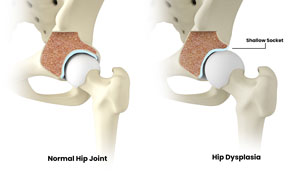
What Is Hip Dysplasia in Adults?
Hip dysplasia in adults occurs when the hip socket (acetabulum) is too shallow to fully cover and support the head of the femur (thigh bone). This structural abnormality can cause pain, joint instability, and eventually lead to arthritis. In many cases, hip dysplasia begins in childhood but may go undiagnosed until adulthood, when symptoms such as pain or limited mobility arise. Without treatment, the misalignment can cause progressive joint damage and long-term disability.
When Is Treatment of Hip Dysplasia Recommended?
Treatment is recommended when symptoms affect daily life or joint damage is progressing. Common indications include:
- Persistent hip pain, especially with activity
- Limited hip mobility or stiffness
- Clicking or locking sensations in the joint
- Hip instability or frequent dislocations
- X-rays or MRI showing misalignment or joint damage
- Early onset osteoarthritis due to dysplasia
How Is Treatment of Hip Dysplasia Performed?
Non-surgical treatment options include physical therapy to strengthen hip muscles and improve stability, anti-inflammatory medications, and activity modification. In more advanced cases, surgical intervention may be necessary. Periacetabular osteotomy (PAO) is commonly performed in younger adults with preserved cartilage. This procedure involves cutting and repositioning the hip socket to improve coverage of the femoral head. In older patients or those with significant arthritis, total hip replacement may be recommended to relieve pain and restore function.
What to Expect During Recovery After Hip Dysplasia Treatment
Recovery depends on the treatment type. After PAO surgery, patients typically stay in the hospital for a few days and use crutches for 6–8 weeks. Physical therapy is started early and continues for several months to regain strength and mobility. Full recovery may take 6–12 months. Total hip replacement recovery is often quicker, with many patients resuming light activities within 6–8 weeks, though full healing can take several months.
What Are the Risks of Hip Dysplasia Treatment?
As with any medical treatment, there are potential risks, including:
- Infection
- Blood clots
- Nerve or blood vessel injury
- Incomplete correction of dysplasia
- Joint stiffness or limited range of motion
- Need for future surgeries
What Are the Benefits of Hip Dysplasia Treatment?
The benefits of appropriate treatment often outweigh the risks, offering:
- Significant pain relief
- Improved hip stability and mobility
- Enhanced ability to walk and exercise
- Slowed or prevented progression of arthritis
- Better quality of life and long-term joint preservation